Deep neural networks can reproduce many features of visual cortex, but they also differ from biological vision in important ways. We use those similarities and differences in both directions: to build better models of the visual system and to ask what aspects of biological vision current AI models fail to capture.
What We Study
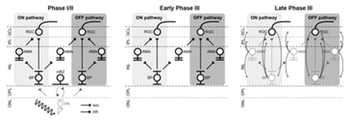
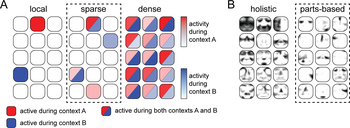
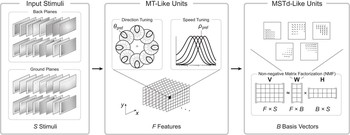
We develop biologically constrained neural networks and test which architectural, learning, and input constraints are needed to reproduce properties of visual cortex. We also study the internal representations learned by artificial networks: how closely they match neural data, whether that alignment predicts behavior or robustness, and whether useful representational structure can be transferred between models.
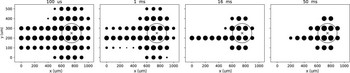
Visual experience is another important part of the problem. We study how representations change when sensory input is altered or absent, including how visual cortex is organized in people who are blind. These cases provide a strong test of models that are usually developed only for typical vision.
Current Directions
- Model–brain alignment. Understanding what neural-alignment metrics capture and when similar representations do not imply similar computation.
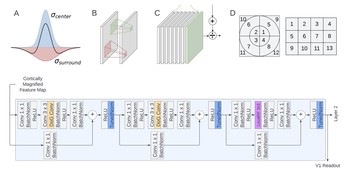
- Biologically constrained networks. Testing which architectural and learning constraints are needed to reproduce properties of visual cortex.
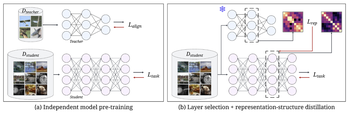
- Representation learning. Studying how internal representational structure affects behavior, robustness, and transfer between models.
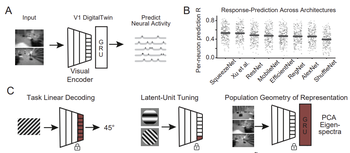
- Digital twins. Probing predictive models of visual cortex to test hypotheses about neural representations.
- Plasticity and altered visual input. Studying how visual experience shapes cortical representations, including in blindness.