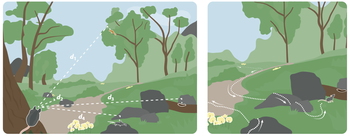
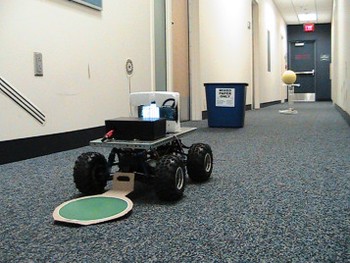
Much of what we know about visual cortex comes from animals viewing controlled stimuli while keeping their heads still. Natural vision is different. During navigation, foraging, and pursuit, animals actively move their eyes, head, and body, continually changing both what they see and how the brain responds.
What We Study
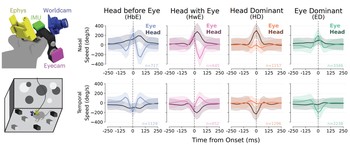
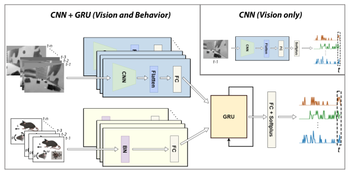
We use recordings from freely moving mice and from real-world and virtual navigation experiments to study how visual input, movement, and behavioral state jointly shape cortical activity. We model these signals together and also study the sampling behavior itself, including gaze shifts and head–eye coordination.
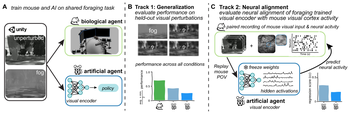
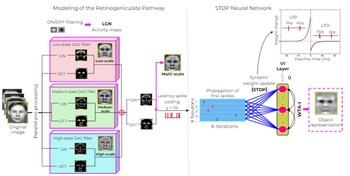
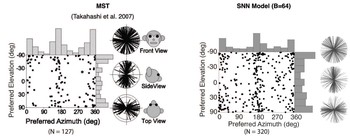
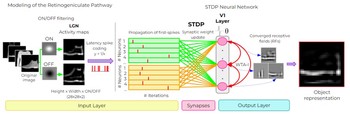
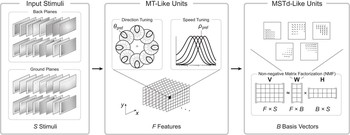
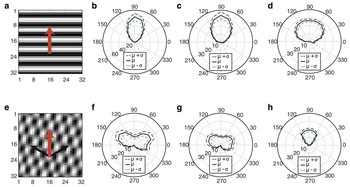
We also compare biological and artificial visual systems. Mice and AI models can be tested on the same tasks, allowing us to ask where their behavior and internal representations agree or differ. Digital twins of visual cortex provide another way to test hypotheses that would be difficult to probe directly in the brain. We are also interested in event-driven and spiking approaches to efficient visual processing.
Current Directions
- Behavior-dependent cortical dynamics. Neural activity during freely moving behavior and models that account for visual input, movement, and internal state.
- Active sampling. Gaze shifts, head–eye coordination, and other strategies that determine what visual information is acquired.
- Mouse versus AI. Comparing biological and artificial agents on the same visual tasks and representations.
- Digital twins. Predictive models of visual cortex that can be used to test hypotheses about neural computation.
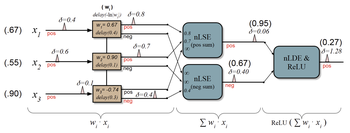
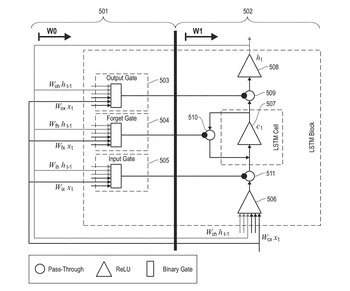
- Event-driven and spiking vision. Efficient visual processing inspired by biological sensing and computation.